Call (844) 468-2776

Restaurant industry news — published 2026-08-31

Google Maps now takes food orders: the Ask Maps guide for restaurant owners

On August 6, 2026, Google switched on agentic food ordering inside Google Maps. Ask Maps can find a restaurant, build the cart, and complete a pickup or delivery order — commission-free, through Toast and Square, with Uber Eats next. Here is what launched, how to get your restaurant into the channel, and the one decision that determines who keeps the customer.

One-minute answer

  • On August 6, 2026, Google added food ordering to Ask Maps, the Gemini assistant inside Google Maps: it finds a restaurant, builds the cart from a plain-English request, and completes a pickup or delivery order inside the app.
  • It launched through Toast and Square integrations — tens of thousands of US restaurants on day one — and Uber's chief product officer says the Uber Eats integration is coming 'very soon.'
  • Google adds no fees or commissions. Orders flow into the restaurant's existing POS, and the only Google-side requirement is a Google Business Profile, which Ask Maps syncs menu, hours, and location from automatically.
  • This is Google's second attempt: Order with Google shut down in 2024 even though DoorDash's CEO said it drove 'multiple-fold' the restaurant traffic DoorDash generated. The new version rides Google's agentic-commerce rails, not a standalone experiment.
  • The owner move: clean your Business Profile, keep your menu structured and current, and make your commission-free direct channel the best path for AI agents to order from — the channel agents learn now is the one that keeps your margin and your customer data.

The news

What Google launched on August 6

Ask Maps has been the chat layer inside Google Maps since March 2026. The August update turns it from a recommendation surface into a transaction surface: the assistant now completes real food orders end to end.

Ordering inside Ask Maps

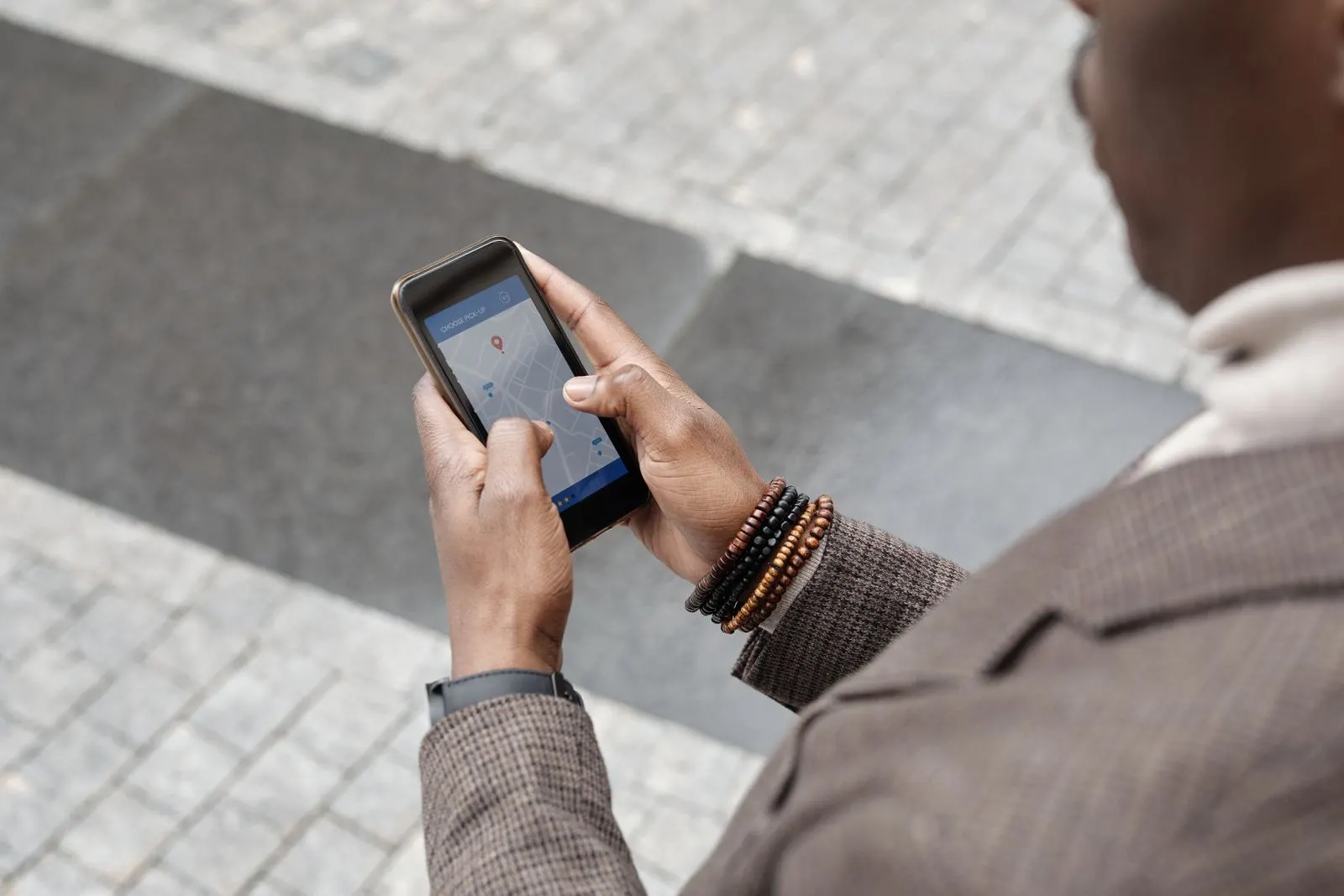
Google's own example is the whole pitch: 'order spicy pad kee mao with seafood for me to pick up on my way home.' Ask Maps finds restaurants that fit, assembles the cart from the request, and takes payment — the guest reviews and confirms without ever leaving Google Maps. That is agentic ordering: the AI does the finding, the building, and the checkout.

Live through Toast and Square

The launch runs on integrations with Toast and Square, which together put tens of thousands of US restaurants into the channel on day one. Orders drop into the restaurant's existing POS and kitchen display like any direct order. Square supports Cash App checkout on the guest side, and Toast says it is funding $5 Toast Cash credits to push early orders through the channel.

Uber Eats is next

Uber's chief product officer publicly said the Uber Eats integration is coming 'very soon.' That widens coverage to marketplace restaurants — but those orders will carry marketplace economics. The same AI channel will deliver commission-free orders to some restaurants and commissioned orders to others, depending entirely on which pipe the restaurant is connected through.

No Google fees, one requirement

Google is not charging restaurants added fees or commissions on Ask Maps orders. The requirement is a Google Business Profile: Ask Maps syncs your menu, hours, and location from it automatically. That cuts both ways — a claimed, accurate profile is free distribution into an AI channel, and a stale one means the AI answers questions about your restaurant wrongly.

Do this now

How to get your restaurant orderable in Ask Maps

There is no Ask Maps dashboard to sign up for. Eligibility comes from data you already control — the Business Profile Google reads and the ordering system your menu lives in.

1. Claim and clean your Google Business Profile

It is the only Google-side requirement and the data source Ask Maps reads. Verify hours, address, phone, menu link, categories, and photos. Before, a stale profile cost you a bad listing. Now it feeds wrong answers to an AI that is completing transactions on your behalf.

2. On Toast or Square? Turn the channel on

Confirm online ordering is enabled and the menu is current — items, modifiers, prices, prep times. Ask Maps orders arrive through the integration into your POS with nothing else to configure. But agentic ordering makes menu hygiene urgent: sloppy modifier data becomes wrong orders faster when a machine is building the cart.

3. Not on Toast or Square? Your direct channel is the way in

Ask Maps still recommends your restaurant conversationally from your Business Profile, and Maps keeps surfacing your existing ordering links. When Uber Eats connects, marketplace restaurants enter the channel at marketplace commission. The commission-free route in is a structured direct ordering channel — the same kind of pipe Toast and Square provided for their restaurants.

4. Make your menu machine-readable

Every agentic surface — Ask Maps, ChatGPT ordering, Ask DoorDash — transacts against structured data. A PDF menu, unpriced items, or missing modifiers make your restaurant invisible to an agent, or worse, mis-ordered by one. A structured menu, live hours, and a working checkout are to AI ordering what keywords were to search.

The history

Why this attempt is different from Order with Google

Google already proved the demand

Order with Google let guests order inside Search and Maps until Google shut the program down in 2024, saying people preferred finishing orders on restaurant and partner sites. DoorDash CEO Tony Xu later told investors the feature drove 'multiple-fold' the restaurant traffic DoorDash itself generated. Demand was never the problem.

The plumbing is new

This version rides Google's Universal Commerce Protocol — the agentic-commerce rails Google built with retailers like Walmart, Target, and Amazon. Restaurant ordering is Google extending live transaction infrastructure into food, with Toast, Square, and soon Uber Eats as the first pipes. Infrastructure gets extended. Experiments get killed.

Everyone is shipping the same channel

Square put restaurant ordering inside ChatGPT and Claude in July. DoorDash launched Ask DoorDash, its own in-app AI ordering chat, in June. Little Caesars and Starbucks are testing branded apps inside ChatGPT. When Google, OpenAI, and DoorDash all ship AI ordering in the same summer, it is a channel forming — not a gimmick.

The forecasts are large

Morgan Stanley's base case puts agentic commerce at roughly 1% of US e-commerce spending this year, growing to about 10% — near $190 billion — by 2030. McKinsey projects a $3 trillion to $5 trillion global market by 2030. The exact numbers will move. The direction has not.

The evidence

The numbers behind the AI ordering shift

Guests already use AI to decide where to eat, Google already demonstrated how much order volume its surfaces control, and the margin math decides whether an AI-driven order is profit or a write-off. These are the figures restaurant owners should be planning against.

22%

22% of US consumers have already used an AI tool like ChatGPT or Google Gemini to help choose a restaurant, per DoorDash's 2026 industry survey.

Source: DoorDash Restaurant Industry Trends Report 2026 · 2026
51%

51% of consumers discover restaurants through Google Search — the discovery surface Ask Maps ordering now turns into a transaction surface.

Source: DoorDash Restaurant Industry Trends Report 2026 · 2026
Tens of thousands

Google's Ask Maps food ordering launched on August 6, 2026 with Toast and Square integrations covering tens of thousands of US restaurants, with Uber Eats next.

Source: Restaurant Business · 2026
0%

Ask Maps orders carry no added Google fees or commissions — they route into the restaurant's existing Toast or Square POS like a direct order, and the only Google-side requirement is a Google Business Profile.

Source: Digital Transactions · 2026
Multiple-fold

DoorDash CEO Tony Xu said Google's earlier Order with Google feature drove 'multiple-fold' the restaurant traffic DoorDash itself generated — the scale of order demand Google surfaces control.

Source: Restaurant Business · 2026
$190B

Morgan Stanley's base case puts agentic commerce at roughly 1% of US e-commerce spending in 2026, growing to about 10% — near $190 billion — by 2030.

Source: Morgan Stanley, via Restaurant Business · 2026
3-5%

The average independent restaurant runs on a 3-5% net profit margin. Giving 25-30% of online order revenue to a third-party app erases the margin entirely on those orders.

Source: National Restaurant Association Operations Report · 2024

The owner question

The catch: who owns the customer when an AI takes the order

Ask Maps launched commission-free, and that is genuinely good for restaurants. But the launch also settles a bigger question about how AI agents will order food — and the answer rewards restaurants that control a direct channel.

Agents order from the channel you leave in place

An AI agent completes an order through whatever channel is structured enough to transact. If a marketplace listing is the cleanest path to your food, the agent orders there — and the marketplace keeps its 15-30% commission plus the customer record. The agent does not care which pipe it uses. You should.

Direct channels win the same order twice

Industry coverage of the launch made the point plainly: Ask Maps drives orders into restaurants' direct ordering channels, which are commission-free and let the restaurant own the data. Same guest, same ticket — but the order lands with your margin intact and the guest's contact and order history in your system, where reorders and loyalty live.

Margins cannot fund the marketplace default

Independent restaurants run on 3-5% net margins. A 15-30% commission erases the margin on every order that routes through a marketplace. That math was survivable when marketplaces were one channel among several. It gets dangerous when AI agents start scaling whichever channel became the default.

The window to set the default is now

22% of consumers have already used ChatGPT or Gemini to pick a restaurant, and the ordering integrations are weeks old. Habits and integrations harden together. The time to make your commission-free direct channel the best-structured path is before agent traffic scales — not after the defaults are set.

The direct layer

Where Orderitto fits in the agentic ordering era

Orderitto is not an AI agent. It is the commission-free direct ordering layer that agentic channels reward — the structured, restaurant-owned pipe that keeps the Ask Maps promise even for orders that arrive from an AI.

Commission-free direct ordering

Flat monthly pricing with no per-order commission on direct orders. When an AI-driven guest lands in your direct channel, the economics match what Google promised at launch: the full ticket goes to the restaurant, minus only standard card processing.

Structured, machine-readable menu data

Items, modifiers, prices, and scheduling live as structured data — the same property that makes Ask Maps ordering work through Toast and Square. A structured direct menu is what makes your restaurant transactable to the next agent surface that connects.

You keep the customer record

Every direct order carries the guest relationship with it: contact details, order history, loyalty, and reorder flows in your own system. That is the exact asset a marketplace keeps for itself when the agent orders there instead.

It compounds your Business Profile work

Ask Maps reads your Google Business Profile; your profile links to your ordering channel. A branded direct ordering page tied to an accurate profile means the AI recommends you with correct data and the order lands in the channel you own.

Build the channel AI orders should land in

Frequently asked questions

What is Ask Maps in Google Maps?

Ask Maps is the Gemini-powered AI assistant built into Google Maps. It launched in March 2026 as a chat layer for finding places. On August 6, 2026, Google added food ordering to it: a guest describes what they want in plain English, and Ask Maps finds nearby restaurants, builds the cart from the request, and completes a pickup or delivery order without leaving the Maps app.

How do I get my restaurant on Ask Maps ordering?

There is no separate Ask Maps signup. Completed orders currently flow through Google's launch integrations with Toast and Square, so restaurants on either system with online ordering enabled can already be orderable. On the Google side, the requirement is a Google Business Profile — Ask Maps syncs your menu, hours, and location from it automatically. If your profile is unclaimed or stale, fix that first. It is the data the AI reads.

Does Google charge restaurants a commission on Ask Maps orders?

No. Google is not charging restaurants added fees or commissions on Ask Maps orders, and Toast and Square both confirmed orders route into the restaurant's existing POS and kitchen display like a direct order. You still pay your normal card processing and whatever your ordering platform charges — but there is no marketplace-style 15-30% cut taken out of the ticket.

Do I need Toast or Square to get orders from Ask Maps?

At launch, completed in-Maps ordering flows through Toast and Square only. Uber Eats is next — Uber's chief product officer said the integration is coming 'very soon,' which will pull marketplace restaurants into the channel at marketplace economics. If you use neither system, your Google Business Profile still matters: Ask Maps recommends restaurants conversationally from profile data, and Maps continues to surface your existing ordering links the way it does today.

Is Ask Maps food ordering available everywhere?

No. The rollout is US-first and gradual, like the rest of Ask Maps. Whether a given guest can order depends on Ask Maps being live in their Google Maps app and the restaurant being reachable through a launch integration. Expect coverage to widen as the Uber Eats integration lands and more partners connect.

What happened to Order with Google?

Google ran a similar feature — Order with Google — inside Search and Maps until it shut the program down in 2024, saying people preferred to finish orders on restaurant and partner websites. It mattered more than most owners realized: DoorDash's CEO later told investors it drove 'multiple-fold' the restaurant traffic DoorDash itself generated. The new version is built on different plumbing — Google's Universal Commerce Protocol, the same agentic-commerce rails it built with retailers like Walmart, Target, and Amazon — which is why this attempt looks structural rather than experimental.

Will AI agents replace my restaurant's website and online ordering?

No — they make your direct channel more important, not less. An AI agent orders from whatever channel is structured enough to transact: a clean menu with prices and modifiers, live hours, a working checkout. If the best-structured path to your food is a marketplace listing, agents order there, and the marketplace keeps the commission and the customer record. If your own ordering channel is the clean path, the same order arrives commission-free with the guest relationship attached.

What should a restaurant owner do about Ask Maps this week?

Three things. Claim and clean your Google Business Profile — hours, address, menu link, categories, photos — because that is the data Ask Maps reads. Confirm online ordering is switched on and the menu is accurate wherever it lives, whether that is Toast, Square, or your own direct system. Then decide which channel you want AI-driven orders landing in long term, because the default you leave in place today is the one the agents will learn.
Make your direct channel the one AI agents learn

Orderitto gives your restaurant a commission-free, structured direct ordering channel — the kind agentic surfaces transact with — plus the customer data that makes every AI-driven order worth more than the ticket.

Sources checked